You must have routine sanitation based upon risk factors, food processing capacity, food allergen presence, and regulatory checks, plus documented records demonstrating food safety protocols, regulatory audits, and government health requirements. The information below describe essential sanitation program components.
Essential Summary
- Sanitation professionals in Brampton serve restaurants, grocery departments, commissaries, warehouses, bakeries, schools, mobile vendors, and allergen-sensitive operations.
- Sectional methods disinfect frequently contacted areas, food-contact equipment, kitchens, floors, drains, restrooms, and storage areas for preventing cross-contamination.
- Validation of approved sanitizer dilution, appropriateness, and exposure duration is performed by qualified contractors, with finishing documented using swabs, audits, and action records.
- Daily, weekly, and seasonal operations assigned by area constitute hygiene calendars grounded on danger, throughput, format changes, incidents, and guidelines.
- Highlight providers displaying HACCP, health regulatory knowledge, WHMIS education, insurance, testimonials, color-coded tools, and compliance-ready hygiene paperwork.
Brampton Venues That Need Food Safety Cleaning: Which Ones?
Food safety cleaning is necessary for any Brampton facility that handles, maintains, prepares, packages, or offers food. Apply it to your facility if it falls within public health inspection, food premises regulations, or internal HACCP-based controls. This includes restaurants, cafeterias, commissaries, grocery food departments, butcher shops, seafood counters, convenience stores, and institutional kitchens.
Documented food sanitation is additionally necessary in supply facilities, manufacturing operations, cold storage areas, bakery retailers, educational nutrition programs, banquet halls, and food delivery hubs. Temporary and mobile businesses are included, like catering vehicles, festival sellers, and pop-up stands. Your location needs written cleaning standards should your team prepare supplies, portion completed foods, reheat products, or manage allergen records. In Brampton, food safety remains not elective; it forms legal, operational, and consumer protection compliance.
What Do Brampton Cleaning Experts Clean?
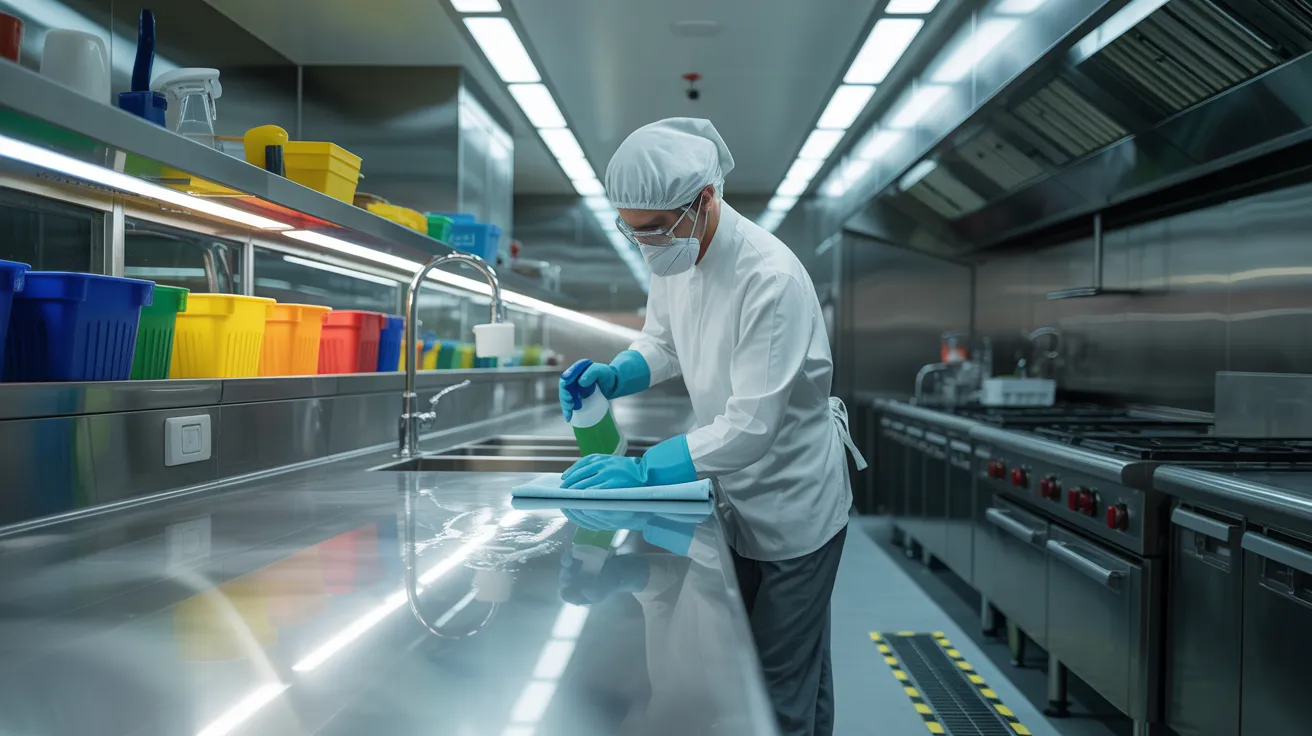
Professional cleaning teams specializing in Brampton disinfect high-contact surfaces, kitchen facilities, floors, and sanitary facilities to satisfy food safety standards and health requirements. Emphasis on these spaces occurs because they pose maximum contamination danger, potential for accidents, and possible regulatory violations.
When you understand what they clean, you can verify that your facility's cleaning scope meets compliance and operational standards.
Sanitizing High-Touch Areas
establish how frequently each surface is sterilized
changing cloths appropriately, maintaining one-way systems, and organizing disinfection materials according to section. These measures keep your sanitation system quantifiable, defensible, and compliance-ready consistently.
Food Prep Areas, Flooring, and Sanitary Facilities
Professional cleaners in Brampton prioritize kitchens, floors, and restrooms given that each location involves distinct food safety, slip-and-fall, and public health requirements. In industrial kitchens, you need grease removal from cooking stations, appliance surfaces, drain systems, preparation areas, and backsplashes to reduce contamination and pest pressure.
Floor care that is documented should equally be anticipated. Technicians scrub and extract buildup from grout, tile, and vinyl flooring, then apply suitable dehydration methods so you can reduce slip incidents and meet regulatory standards. They also address entryways where moisture and debris migrate indoors.
In restrooms, cleaners disinfect contact surfaces, bathroom hardware, partition walls, accessory dispensers, and receptacles then refill supplies and eliminate odor. They also service restaurant moprooms, where chemical storage, sink hygiene, and drainage conditions can affect sanitation compliance and staff safety daily.
How Food Safety Cleaning Benefits Brampton Operations
Brampton businesses need to establish proper sanitation practices for satisfying legal standards and obtaining approval. You also reduce cross-contamination by cleaning and sanitizing food-contact surfaces, equipment, and high-touch areas correctly. Most importantly, you help protect public health by lowering the risk of foodborne illness in your facility.
Regulatory Code Requirements
Because Brampton food businesses operate under strict public health standards, food safety cleaning directly influences your capacity to satisfy health code requirements, ensure the safety of customers, and avoid enforcement action. You must maintain sanitary food-contact surfaces, written maintenance records, correct sanitizer application, and verifiable staff procedures that comply with municipal and provincial inspection expectations.
When inspectors assess your operation, they evaluate whether your sanitation system supports protected inventory management, machinery hygiene, garbage disposal, and facility cleanliness.
Contamination Control
Adhering to health code standards requires your expertise in stopping cross-contamination throughout routine preparation and sanitation work. You need to isolate uncooked items from finished products, clean prep surfaces between tasks, and keep chemicals away from food-contact items. Organized systems minimize contamination events and ensure consistent compliance during inspections.
Building allergen segregation prevents priority allergens from contacting common workstations, storage, or apparatus. Utilize dedicated cutting boards, color-coded tools, and precise instrument labeling so team members won't blend products in cooking or serving.Mandate hand cleaning following raw meat, seafood, eggs, or allergen-containing products. Swap wiping cloths regularly, and confirm disinfectant efficacy using test strips. When you train staff to follow these controls every shift, you foster a cleaner, more secure operation that meets Brampton's food safety expectations daily.
Public Health Safeguarding
When food safety cleaning deteriorate, you don't only face inspection setbacks—you expand the chance of food contamination striking customers, staff, and the larger Brampton community. You also undermine your responsibility in safeguarding community wellness, especially in busy food facilities where pathogens travel quickly through surfaces, equipment, and touchpoints.
You depend on cleaning procedures that eliminate contaminants, effectively sanitize, and ensure effectiveness. This entails adhering to exposure times, utilizing authorized sanitizers, recording schedules, and coaching staff to fulfill health-unit expectations. These initiatives promote pathogen control by reducing microbes before affecting food surfaces or hands. In Brampton, effective cleaning protects at-risk groups, minimizes disease spread, and demonstrates accountability. When you maintain standards, you exceed requirements—you meaningfully lower danger and advance safer food handling across the region.
Why Is Cleaning Essential for Food Safety Compliance?
Comprehensive cleaning schedules support food safety compliance by lowering contamination exposure, controlling pathogen growth, and maintaining your facility's adherence to sanitation requirements under HACCP-based programs and public health regulations. You verify that food-contact surfaces remain visibly clean and microbiologically controlled, supporting documented preventive controls and inspection readiness.
Effective cleaning also improves allergen prevention by eliminating residues that can cause undeclared allergen exposure. by removing residues that can cause undeclared allergen exposure.
How Ought You Arrange Commercial Cleaning Services?
You'll achieve the best results from cleaning schedules that incorporate risk, production volume, and regulatory requirements rather than a static calendar system alone.
Drain systems, vents, storage racks, and hard-to-reach zones call for every week or monthly service, informed by inspection results and sanitation documentation.
How Do You Choose Brampton Cleaning Experts?
Screen providers initially by their food hygiene standards—not budget alone. You need to confirm that every company meets CFIA, public health, and HACCP-aligned expectations for your operation. Demand proof of insurance, WHMIS compliance, training records, and management systems. Evaluate technician knowledge of contamination dangers, chemical safety, and documented sanitation practices.
You must also evaluate operational reliability and oversight. Seek references from food facilities in Brampton, then assess response speed, corrective-action procedures, and communication quality. Ensure the company enables supplier checks and can provide inspection-compliant records when authorities or third parties demand verification. Verify equipment is maintained, color-coded items are deployed correctly, and operational-specific risks are understood. A qualified provider protects compliance, product integrity, and your market standing.
What aspects should a Food Safety Cleaning Plan contain?
Create a documented strategy that clearly outlines every sanitation duty, guideline, and expectation prior to beginning production. You should list cleaning schedules, authorized products, mixing ratios, exposure periods, equipment, and testing procedures for each area, section, and machine. Don't forget to add pre-operational inspections, corrective actions, and employee training requirements.
Your plan should also address contamination prevention controls, waste handling procedures, pest management measures, and written schedules for rest areas, drains, flooring, and food-contact surfaces. Describe how you'll separate raw and ready-to-eat processes, support ingredient tracking, and maintain discover here accurate allergen labeling through validated cleaning between product changes. You should assign accountability, maintain signed records, and assess results against regulatory standards, HACCP controls, and customer requirements. When gaps appear, modify procedures immediately and instruct staff.
Commonly Requested Inquiries
Can cleaning services accommodate overnight shifts in Brampton properties?
If you run controlled spaces, you'll also need records that enable audits and ensure compliance.
Do sanitation professionals provide emergency spill response services?
Yes, you can find Brampton sanitation professionals to offer emergency spill response solutions. They manage hazardous materials, evaluate dangers, contain contamination, and start rapid decontamination to minimize risk and operational disruption. You should confirm their response times, professional credentials, safety procedures, and waste management. If your facility must meet health or food safety regulations, select a service that documents incidents, follows compliant sanitation standards, and supports audit readiness.
Will environmentally safe disinfectants disinfect safely food-contact surfaces?
Absolutely, plant-based sanitizers can be secure for surfaces contacting food when you opt for products labeled food safe and meeting regulatory standards. You must verify contact times, concentration levels, and rinse protocols prior to application. Plant based formulas reduce toxic chemical contact, though you still need evidence of effectiveness against relevant pathogens. For keeping surfaces residue-free, follow precise manufacturer instructions and validate your cleaning agent satisfies food industry regulations.
Can sanitation programs be adjusted for seasonal variations?
Certainly, sanitation programs adapt to seasonal production changes effectively. Modify intervals, staff levels, sanitizers, and verification steps to fit with seasonal workflows while sustaining regulatory requirements. Reduce production interruptions by timing disinfection alongside changeovers, maximum output, and operational patterns. Also revise written procedures, employee training, and environmental monitoring to reflect temporary risks, new allergens, or increased soil loads. Ongoing evaluations ensure the schedule current.
Do commercial cleaners educate employees on hygiene standards?
Certainly, professional cleaning experts train your staff on hygiene protocols. You obtain employee development on correct chemical practices, processing times, cross-contamination prevention, machine disassembly, and documentation procedures. They generally coordinate coaching with HACCP, GMP, and CFIA or regional health bodies standards. Many execute sanitation audits to check standards, uncover shortcomings, and strengthen corrective measures. This helps you copyright standard processes, satisfy audits, and reduce food safety risks every day.
Conclusion
Partnering with Brampton food safety and commercial cleaning professionals means more than cleaning—it ensures your facility stays inspection-compliant and your standards remain compliant. From kitchen areas to production zones, each sanitized surface and organized section lessens contamination risk and prevents major expenses. By arranging service at suitable frequencies and executing a comprehensive cleaning strategy, you shield staff, your customers, and your image. In a heavily regulated sector, sanitary conditions can't be overlooked—they're critical to business success.